Noticing numbness, tingling, or weakness in your feet or hands can be unsettling, especially when you start wondering what it means for something as routine as driving. If you or someone you love has been diagnosed with peripheral neuropathy, the good news is this: it doesn’t have to mean giving up the wheel. It often just means adapting how you drive.
Here’s what neuropathy can mean for driving, the signs worth paying attention to, and the equipment that can help.
What is peripheral neuropathy, in plain terms
Peripheral neuropathy is nerve damage, most often in the feet and hands, that can affect sensation, strength, or reflexes. It’s commonly linked to diabetes, injury, chemotherapy, or autoimmune conditions, though causes vary from person to person.
We’re not doctors, and this isn’t medical advice. If you’re noticing new symptoms, your doctor is the right place to start for diagnosis and treatment. What we can help with is what comes next: adapting your vehicle so you can keep driving safely.
How neuropathy can affect driving
Neuropathy can show up behind the wheel in a few ways:
- Reduced sensation in the feet. It can be harder to feel whether your foot is fully on the gas or brake, or how much pressure you’re applying.
- Weakness or slower reflexes. Reaction time when braking or steering may not be what it used to be.
- Reduced grip or feel in the hands. This can affect how securely you hold and control the wheel.
None of this means you’re unsafe on the road. It means it’s worth paying attention to how your driving feels and getting an evaluation if something seems off.
Signs it’s time to reevaluate how you drive
A few things worth paying attention to:
- Difficulty telling whether your foot is fully on the brake
- New dents, curb strikes, or trouble parking that didn’t happen before
- Reaction time in traffic that feels slower or less certain than it used to
- A family member mentioning they’ve noticed a change
None of these mean you have to stop driving. They’re signals that it’s worth getting a professional opinion on what would help.
Getting a professional driving evaluation
A Certified Driving Rehabilitation Specialist (CDRS) can assess how your symptoms affect your driving and recommend specific adaptive equipment based on your abilities, not guesswork. This evaluation is separate from the installation work we do. Your doctor, a rehab center, or your insurance provider can often help you find a CDRS near you, and many people start this process with a doctor’s referral.
Once you have a recommendation, that’s where we come in.
Adaptive equipment options for neuropathy
Depending on what your evaluation recommends, a few options tend to help:
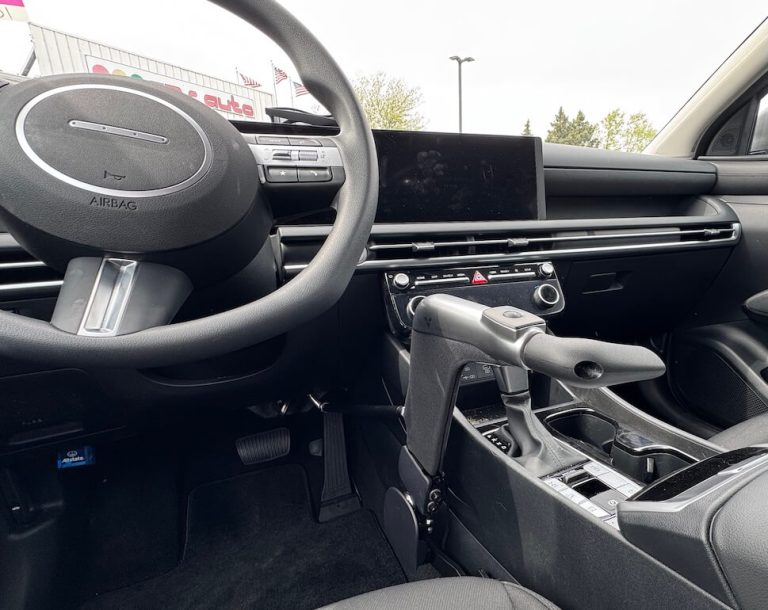
- Hand controls. Shift braking and accelerating to your hands if foot sensation or control has become unreliable.
- Left-foot accelerators. Useful when symptoms affect one side more than the other.
- Pedal extensions or modified pedals. Help address weakness while sensation is still intact.
- Steering aids, like a spinner knob. Support reduced hand strength or grip so you can steer with more control and less effort.
Every situation is different, which is why the evaluation comes first and the equipment follows from it.
What installation and cost look like
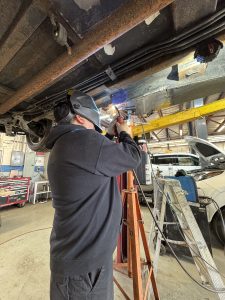
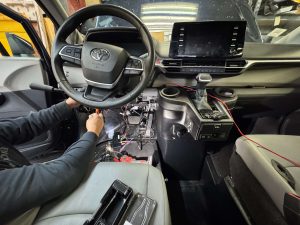
Once you have a recommendation, the process is straightforward: we review it with you, select the right equipment for your vehicle, and get it installed. Installation timelines vary depending on the equipment, but most jobs are completed in a matter of days, not weeks.
Cost depends on the equipment and your vehicle, and we’ll give you a clear number upfront, not a runaround. We offer financing options and every installation comes with a manufacturer warranty, which we’ll walk you through before we start.
You don’t have to figure this out alone
Noticing changes in your driving isn’t a reason to panic, and it’s not a sign your independence is over. It’s the first step toward adapting so you can keep doing what you’ve always done: getting to work, appointments, and the people who matter to you.
We work alongside your doctor or CDRS to turn their recommendations into the right equipment for your vehicle and your life. You handle the evaluation and we handle making it real.
Where to go from here
Catching changes early is what makes it possible to adapt and keep driving safely, on your own terms. If you have a driving evaluation in hand, or you’re just starting to explore what’s available, we’re happy to talk through your options.
Contact AMS Auto to schedule a consultation.