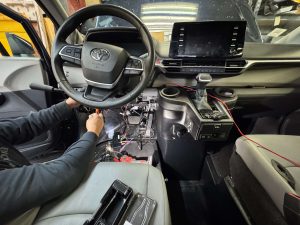
Your family is weighing a new wheelchair van against the SUV already sitting in the driveway. School runs, appointments, and weekend visits to family are all on the line, and the decision feels bigger than a vehicle.
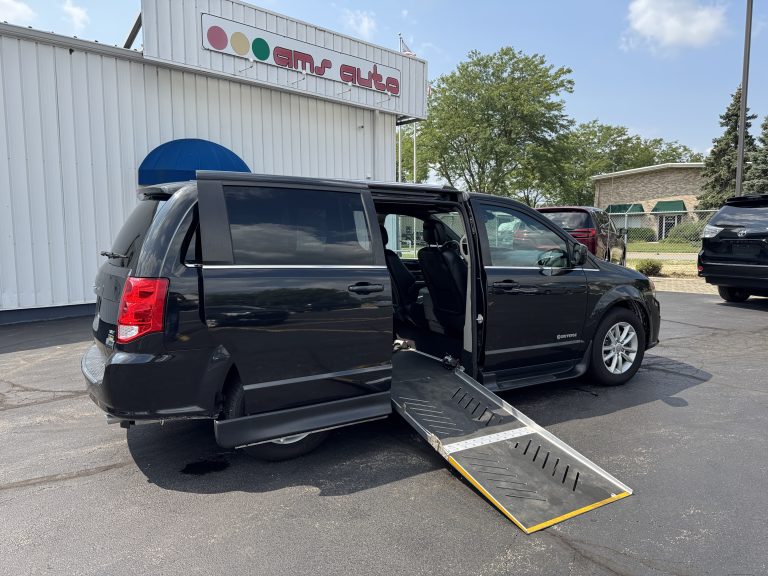
There are two main paths: a wheelchair van conversion, which is a van built or modified for wheelchair access, or a standard vehicle with adaptive equipment, where you keep a car, SUV, or van you already know and add a lift or transfer solution.
Neither is automatically better. The right choice comes down to a few real-life details, and this guide walks through them.
Your Wheelchair Accessible Vehicle Options at a Glance
A conversion lets the rider roll in and out, offers more interior room, and usually represents a larger investment. A standard vehicle plus equipment keeps the vehicle you already own, adds a lift or transfer solution, and often comes with a smaller upfront cost, though the equipment has to suit that specific vehicle.
If you want the full breakdown of van styles before comparing, our wheelchair van types guide covers side-entry, rear-entry, and everything in between.
When a Wheelchair Lift for an SUV or Car Makes Sense
A lift is a good fit for someone who can transfer to a seat but needs the chair loaded, or for a family that wants to keep a vehicle they already own. Day to day, the chair or scooter goes up and in, and the rider sits in a regular seat for the trip.
The trade-offs deserve a straight look. The vehicle needs the room and the right structure to carry a lift, and the equipment uses up cargo space. That matters on grocery runs and road trips.
To see how lift equipment comes together, visit our wheelchair lifts installation page.
When Vehicle Transfer Solutions Are the Better Fit
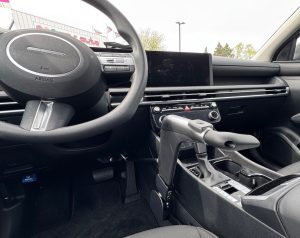
Transfer solutions suit riders who can move from the chair to a seat with some support and want to travel in a standard seat. A swivel or turning seat can make getting in and out much easier, especially for older drivers and passengers who want to keep driving themselves.
The honest trade-off: transferring has to be safe and comfortable for the rider, and the chair still needs a place to travel. Our transfer solutions installation page shows what’s involved.
Questions to Ask Before You Decide
Answer these together as a family:
- Does the rider stay in the chair for the trip, or transfer to a seat?
- How big and heavy is the chair, and will that change?
- How many people ride regularly, and who drives?
- Where does the vehicle live: a tight garage, street parking, a shared lot?
- What does the budget look like, including financing and used options?
Then add Chicagoland to the picture. Winter snow and ice at curbs, tight parking in the city and older suburbs, and longer drives to specialists or family all shape the answer. These are everyday details, not reasons to worry, and they often tip the decision on their own.
Costs and Next Steps
Conversions are typically a larger investment. A standard vehicle plus equipment can start lower, and a used vehicle can narrow the gap further. Financing can help either way, and our financing page walks through the numbers.
You don’t need to decide alone. A quick look at your vehicle and your routine usually makes the answer clear.
Let’s Compare Your Options Together
AMS Auto is a family-owned shop that sells, rents, and outfits vehicles for families across Chicagoland, and we can help you compare both paths in person. Talk with our team, or browse our van inventory to see what’s available now.