Summer means road trip season, and if you or a loved one travels in a wheelchair accessible van, a little extra planning goes a long way. The right prep work turns a stressful drive into a smooth one, and most of it comes down to a handful of habits you can build into every trip. Whether you’re heading a few hours away or planning a multi-day vacation, these wheelchair van road trip tips will help you get there (and back) without surprises.
Pre-Trip Vehicle Checks Before You Hit the Road
Before you load up the car, take some time to check the vehicle itself. A quick walkthrough now can save you from a headache 200 miles from home.
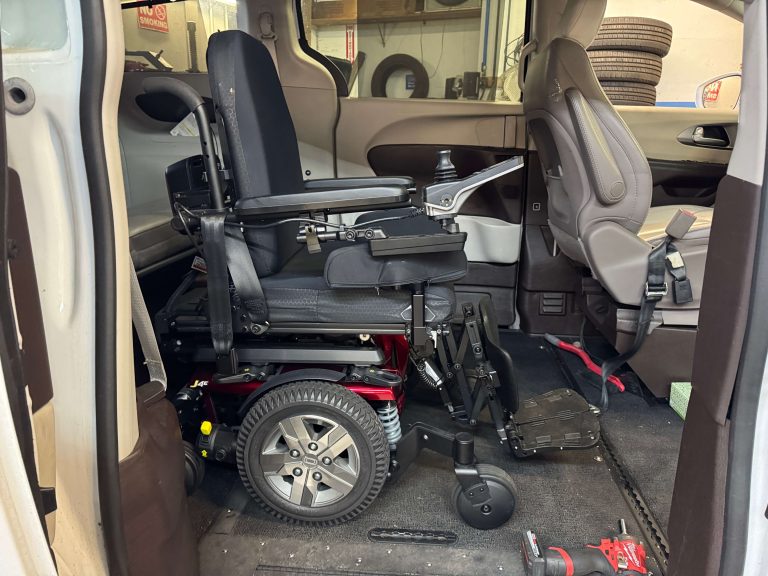
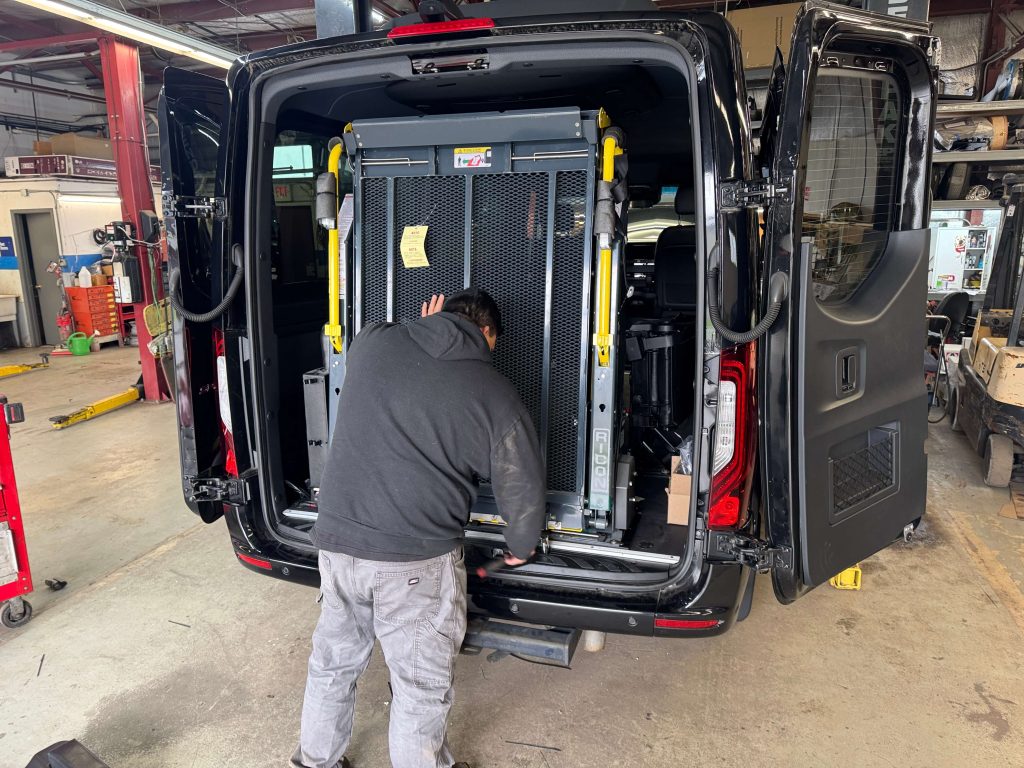
Start with your ramp or lift. Run it through a full cycle and listen for anything unusual, grinding, hesitation, or slower-than-normal movement. Check that all tie-downs and securement points are tight and functioning the way they should. These systems get used every day, and small issues are much easier to catch in your driveway than on the side of the highway.
Don’t skip the basics either. Check tire pressure, since summer heat causes it to fluctuate more than people expect, and make sure your air conditioning is working well. A van sitting in a parking lot in July can heat up fast, and that matters even more if you have electronics on your lift system or medical equipment that’s sensitive to heat.
If you’ve noticed anything off with your ramp or wheelchair lift in recent weeks, don’t wait until you’re already on the road to deal with it. Getting it looked at before a trip is a lot less stressful than dealing with a malfunction hours from home. If it’s been a while since your last service check, it’s worth scheduling a consultation with our team before you leave.
Packing Smart for Accessible Travel
Packing for accessible travel is a little different than a typical road trip. The biggest thing to keep in mind is space, both for the wheelchair itself and for anyone who needs a clear sightline or unobstructed path during the drive.
Avoid stacking bags or coolers in a way that blocks tie-down points or the ramp’s swing path. It’s an easy mistake to make when you’re trying to fit everything in, but it can slow you down significantly when you’re loading and unloading at each stop.
Bring backups where it counts. Spare wheelchair parts (batteries, joystick, small tools), extra medical supplies, and charging cables for any powered equipment are worth the extra bag space. If you’re traveling somewhere remote, having what you need on hand beats trying to track down a specialty part in an unfamiliar town.
Vacation planning for a wheelchair van also means thinking about your route in terms of accessibility, not just distance, which brings us to the next step.
Planning Rest Stops and Routes
Not every rest stop is created equal. Before you leave, take a few minutes to map out accessible stops along your route, especially if you’re driving through rural stretches where options can be limited. A number of travel apps let you filter for accessible facilities, and a quick search ahead of time beats hoping for the best once you’re already on the road.
Try to space out your driving so you’re not going too long between stops. This matters for comfort, but it also matters for heat. A van’s interior can get warm quickly once it’s parked, so if you’re storing medication or other temperature-sensitive items, plan your stops with that in mind.
Finding Accessible Lodging
A hotel listing “accessible room” doesn’t always tell you what you actually need to know. Roll-in showers, door widths, and how close accessible rooms are to parking can vary a lot between properties, even within the same chain.
Whenever possible, call the hotel directly instead of relying only on the filters in a booking app. Ask specific questions: Is the shower roll-in or does it have a step? How wide are the doorways? Is accessible parking close to the room or on the other side of the building? A five-minute phone call can save you from arriving somewhere that doesn’t actually meet your needs.
What to Do If Something Goes Wrong on the Road
Even with the best prep, things can happen. If your ramp or lift acts up mid-trip, start with the basics: check for anything obstructing the ramp’s path, make sure the vehicle is on level ground, and check your fuse or breaker if the system loses power entirely.
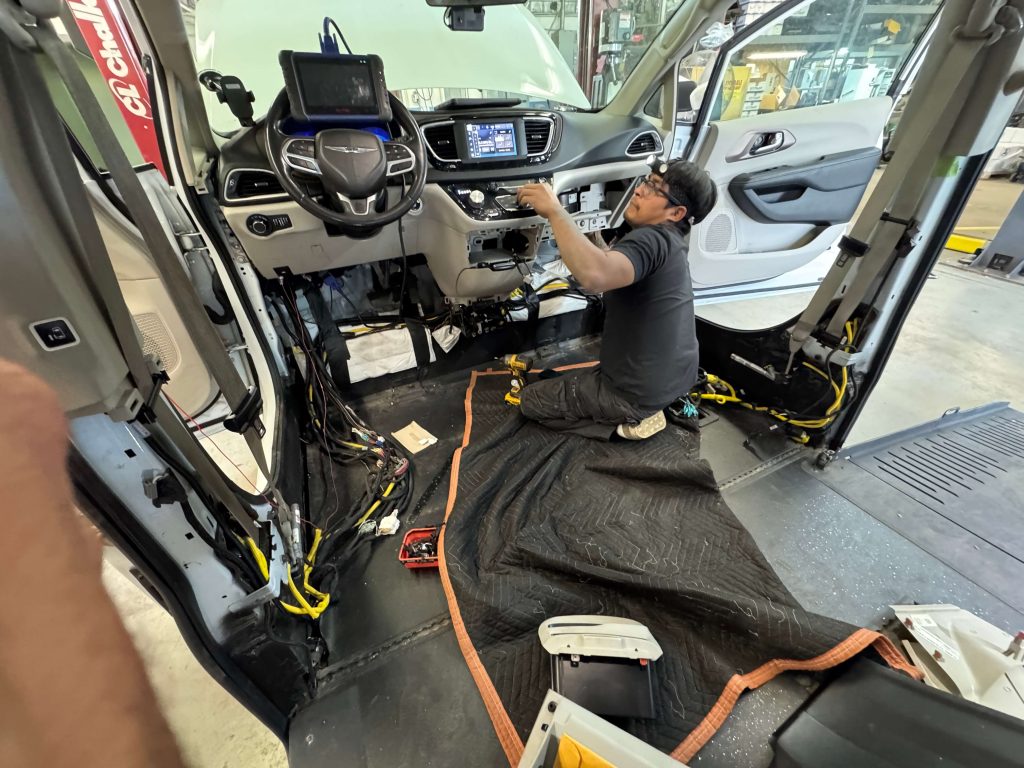
This is one of the places where professional installation really shows its value. A properly installed conversion is built for reliability, and if something does come up, having a trusted service team to call makes all the difference. If you’re not sure whether an issue is a quick fix or something that needs a closer look, don’t guess. Reach out and we’ll help you figure out the next step.
Frequently Asked Questions
How do I prepare my wheelchair van for a long road trip?
Start with a full check of your ramp or lift, tie-downs, tire pressure, and air conditioning. Address any issues before you leave rather than after, and schedule a service check if it’s been a while since your last one.
What should I pack for accessible travel?
Pack around the wheelchair and securement points rather than stacking items in the way. Bring backup wheelchair parts, extra medical supplies, and charging cables for any powered equipment.
Are wheelchair van rentals available for one-way trips?
If you don’t have your own wheelchair accessible van yet, or need one temporarily, rental options may be available depending on your travel dates and location. Reach out to our team for current availability.
Ready for Your Next Trip?
A little preparation makes a big difference when you’re planning summer travel in a wheelchair van. If your ramp or lift needs a check-up before you hit the road, schedule a consultation with our team. And if you’re still deciding on the right vehicle for your travel needs, get a quote on our current inventory or rental options.