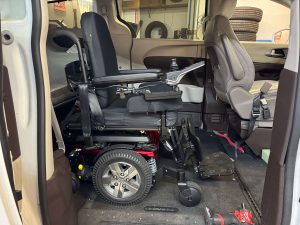
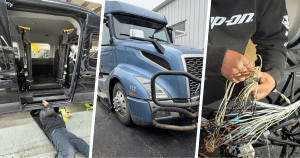
Finding the right wheelchair van isn’t just about transportation—it’s about independence, freedom, and maintaining the lifestyle you deserve. Whether you’re shopping for yourself or a family member, the wheelchair van you choose will impact daily routines, social activities, and overall quality of life for years to come.
The wheelchair van market has evolved dramatically over the past decades. What were once basic, utilitarian conversions have transformed into sophisticated vehicles that blend accessibility with comfort, safety, and style. Today’s options range from compact minivan conversions perfect for city driving to spacious full-size vans that can accommodate multiple wheelchair users.
In this guide, we’ll walk you through the different types of wheelchair vans available, including entry configurations, conversion styles, and specialized features. Whether you’re considering purchasing or renting, understanding these options will help you make an informed decision that fits your specific needs, lifestyle, and budget. Let’s explore what makes each type unique and how to determine which configuration is right for you.
Understanding Wheelchair Van Entry Configurations
One of the most important decisions you’ll make when selecting a wheelchair van is how you’ll enter and exit the vehicle. The two primary configurations—side entry and rear entry—each offer distinct advantages depending on your lifestyle and needs.
Side Entry Wheelchair Vans
Side entry vans feature ramp or lift access through the vehicle’s sliding door, typically on the passenger side. This configuration has become increasingly popular, especially among families and individuals who navigate urban environments regularly.

The primary advantage of side entry vans is their parking versatility. Because the ramp deploys from the side, you only need clearance alongside your vehicle rather than behind it. This makes parking in standard spaces significantly easier, whether you’re at the grocery store, a medical appointment, or your own driveway. Side entry vans also tend to fit more comfortably in residential garages, which is a major consideration for many families.
From a cost perspective, side entry conversions are often more affordable than rear entry options, making them an attractive choice for budget-conscious buyers. The conversion process typically involves modifying the existing sliding door area, which can be less extensive than rear entry alterations.
However, side entry configurations do have tradeoffs. To accommodate the ramp mechanism and wheelchair positioning, these vans usually sacrifice some seating capacity. Additionally, the wheelchair user typically occupies the space where a middle-row seat would be, which may impact passenger arrangements for larger families.
Popular models for side entry conversions include the Honda Odyssey, Chrysler Pacifica, and Toyota Sienna. These minivans offer an excellent balance of maneuverability, fuel efficiency, and accessibility features, making them ideal for daily commuting and urban driving.
Rear Entry Wheelchair Vans
Rear entry vans provide access through the back of the vehicle, with a ramp that deploys from the rear doors or liftgate. This configuration offers a different set of benefits that appeal to specific user needs.

One of the most significant advantages of rear entry design is the preservation of all passenger seating. Since the wheelchair user enters from the back and positions in the rear area, front and middle seating remains intact. This makes rear entry vans ideal for larger families who need to transport multiple passengers while maintaining wheelchair accessibility.
Rear entry ramps also tend to have gentler angles, particularly on full-size vans with longer wheelbases. This creates an easier, more comfortable boarding experience and requires less effort for caregivers assisting with manual wheelchairs. Additionally, rear entry conversions often maintain the vehicle’s original exterior appearance more effectively, with minimal visible modifications from the outside.
The primary consideration with rear entry vans is parking. You’ll need adequate clearance behind your vehicle for the ramp to deploy, which can be challenging in crowded parking lots or when backing into spaces. However, for families with driveways or those who typically park in less congested areas, this may not be a significant concern.
Full-size vans like those built on Dodge Grand Caravan platforms and other commercial-grade chassis are popular choices for rear entry conversions, offering maximum space and flexibility.
Side Entry vs Rear Entry: Quick Comparison
When choosing between side and rear entry, consider these key factors:
Space requirements: Side entry needs clearance alongside the vehicle; rear entry requires space behind it. Think about where you’ll park most frequently—tight urban parking lots favor side entry, while suburban driveways and open parking areas work well for rear entry.
Seating capacity: Rear entry preserves all original seating, making it better for larger families. Side entry typically reduces passenger capacity but may be sufficient for smaller households.
Cost: Side entry conversions generally cost less initially and may have lower long-term maintenance costs due to simpler ramp mechanisms.
Accessibility environment: Urban dwellers and apartment residents often find side entry more practical, while those in suburban or rural settings with more parking space may prefer rear entry’s benefits.
Wheelchair Van Conversion Types
Beyond entry configuration, understanding the different conversion approaches helps you appreciate what goes into creating an accessible vehicle and which style best suits your needs.
Full-Size Van Conversions
Full-size van conversions are built on commercial van platforms like the Ford Transit, Ram ProMaster, and Mercedes Sprinter. These vehicles represent the premium tier of wheelchair accessibility, offering maximum interior space and versatility.
The defining characteristic of full-size conversions is interior volume. Many feature standing room height, allowing caregivers and passengers to move comfortably throughout the cabin without crouching. This spaciousness also accommodates multiple wheelchair positions, making these vans ideal for facilities transporting several individuals or families with more than one wheelchair user.
Full-size vans excel in commercial applications—senior living facilities, medical transport services, and group homes frequently choose these vehicles for their capacity and durability. However, they’re also worth considering for personal use if you prioritize interior space, plan to use the vehicle for extended trips, or anticipate changing accessibility needs over time.
The tradeoffs include reduced fuel economy, more challenging maneuverability in tight spaces, and higher initial costs. These are substantial vehicles that drive more like small trucks than passenger cars.
Minivan Conversions
Minivan conversions represent the most popular choice for personal wheelchair van use. They strike an excellent balance between accessibility, drivability, and everyday practicality.
Converted minivans handle much like their non-modified counterparts, making them easier to drive for those transitioning from standard vehicles. They fit in residential garages, navigate parking structures without difficulty, and deliver significantly better fuel economy than full-size alternatives. This everyday usability makes them ideal for the school run, errands, medical appointments, and social activities.
Leading conversion manufacturers including BraunAbility, VMI (Vantage Mobility International), and Rollx have perfected minivan conversions, offering reliable systems backed by warranties and nationwide service networks. These established companies work with popular minivan platforms like the Chrysler Pacifica, Honda Odyssey, and Toyota Sienna, ensuring parts availability and service support.
The Honda Odyssey remains a favorite due to its reliability and resale value, while the Chrysler Pacifica offers modern features and a smooth ride. Toyota Sienna appeals to those seeking all-wheel drive capability and Toyota’s reputation for longevity.
Lowered Floor Conversions
Lowered floor conversions involve cutting and lowering the vehicle’s floor by several inches to create additional interior headroom. This conversion style addresses one of the fundamental challenges in wheelchair van design: providing adequate clearance for wheelchair users and tall power wheelchairs.
By dropping the floor 10-14 inches (depending on the conversion), manufacturers create an interior that accommodates users comfortably without requiring them to slouch or worry about clearance. This approach works particularly well with minivans, which have limited original headroom.
The floor-lowering process is extensive, involving reinforcement of the vehicle’s frame to maintain structural integrity and crash safety. Quality conversions meet or exceed federal safety standards despite these significant modifications.
However, lowered floors do reduce ground clearance, which may impact the vehicle’s ability to navigate steep driveways, speed bumps, or rough terrain. Most conversions maintain adequate clearance for normal driving, but this is worth considering if you live in an area with challenging road conditions or harsh winters where snow accumulation might be a concern.
In-Floor Ramp Systems
In-floor ramp systems represent a premium approach to wheelchair van accessibility. Rather than mounting the ramp externally or in a visible location, these systems store the ramp beneath the vehicle’s floor in a specially designed compartment.
The advantages are numerous: a cleaner, more streamlined interior appearance when the ramp isn’t in use, no worry about ramp storage taking up cargo space, and typically easier operation. Many in-floor ramps deploy automatically at the touch of a button, eliminating the physical effort required with manual systems.
Maintenance is generally simpler as well, since the ramp mechanism is protected from the elements and less likely to accumulate dirt, snow, or debris. This protection can extend the system’s lifespan and reduce service needs.
The primary considerations are cost—in-floor systems command premium prices—and maintenance access. When service is needed, accessing components beneath the floor may be more complex than servicing exposed ramp systems. However, for many users, the convenience and aesthetic benefits justify the investment.
Fold-Out Ramp Systems
Fold-out ramps represent the traditional and most common approach to wheelchair van access. These ramps store inside the vehicle (often against the side wall or in the rear) and fold out when needed.
Manual fold-out ramps require the user or caregiver to physically unfold and position the ramp, then fold it back and secure it after use. This can be manageable for those with adequate strength, but may prove challenging for elderly caregivers or individuals with limited mobility themselves.
Automatic fold-out ramps address this concern by deploying and retracting at the push of a button, powered by the vehicle’s electrical system. This automation makes the ramp accessible for a wider range of users and simplifies the loading process considerably.
Fold-out systems tend to be more affordable than in-floor alternatives and are generally easier to repair when issues arise. The ramp mechanism is visible and accessible, allowing mechanics to diagnose and fix problems more efficiently. These systems also have a proven track record—they’ve been used for decades and represent mature, reliable technology.
Durability varies by manufacturer and model, but quality fold-out ramps are built to withstand years of regular use. Look for ramps with solid construction, non-slip surfaces, and robust hinge mechanisms. Regular inspection and occasional lubrication of moving parts will maximize longevity.
Specialized Conversion Features
Modern wheelchair vans offer numerous specialized features that extend beyond basic entry and conversion types, allowing you to customize the vehicle to your precise needs.
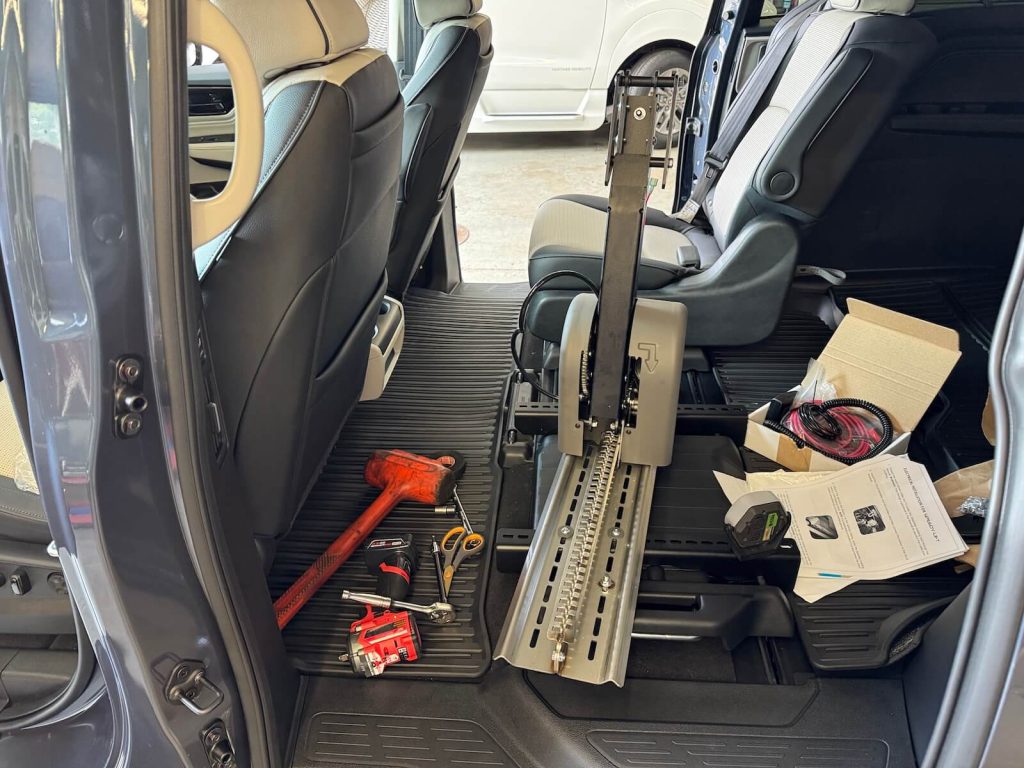
Transfer Seat Bases
Transfer seat bases offer an alternative accessibility solution for wheelchair users who can transfer from their wheelchair to a vehicle seat. These specialized seat bases rotate and extend outside the vehicle, making the transfer process significantly easier and safer.
This option works well for individuals with sufficient upper body strength and mobility to transfer independently or with minimal assistance. Transfer seats take up less space than full wheelchair accommodation, allowing these vehicles to maintain more passenger seating capacity and lower conversion costs.
However, this approach does require leaving the wheelchair behind (stored in the rear cargo area or elsewhere), so it’s only suitable for those who don’t need their wheelchair immediately upon arrival at destinations.
Driver Modifications
For wheelchair users who drive, the conversion must seamlessly integrate with adaptive driving equipment. This integration is crucial and requires careful planning and expert installation.
Hand controls represent the most common driving modification, allowing acceleration and braking through hand-operated mechanisms rather than foot pedals. These systems must be carefully positioned and calibrated to work harmoniously with the van’s conversion features—the wheelchair position must allow comfortable reach and operation of controls.
Steering modifications include reduced-effort steering, spinner knobs, and tri-pin systems that accommodate varying levels of hand strength and dexterity. Electronic steering systems offer the ultimate in ease of operation, requiring minimal physical effort.
Secondary controls—turn signals, headlights, wipers, horn—can be relocated to accessible positions, often integrated into steering wheel-mounted pads or joystick-style controllers. Modern systems increasingly offer voice-activated controls for various vehicle functions.
At AMS Auto, we specialize in integrating these adaptive driving systems with wheelchair van conversions, ensuring everything works together safely and efficiently. Our technicians understand both the conversion requirements and the driving equipment, providing comprehensive solutions rather than piecemeal additions.
Seating Configurations
Flexibility in seating arrangements allows wheelchair vans to adapt to changing passenger needs, making them more versatile for family use.
Removable seats can be taken out entirely when you need maximum wheelchair space or cargo capacity, then reinstalled when you’re carrying additional passengers. This approach provides maximum flexibility but requires storage space for removed seats and the physical ability to handle the installation process.
Fold-away seats offer similar versatility with greater convenience—these seats fold against the wall or floor when not needed, then deploy quickly when passengers need seating. No removal or storage required, though these systems typically cost more than simple removable seats.
Multiple wheelchair positions become important for families with more than one wheelchair user or for commercial applications. These configurations require careful planning to ensure adequate space, proper securement locations, and safe positioning that doesn’t compromise the vehicle’s center of gravity or crash protection.
Some advanced conversions allow wheelchair users to ride in various positions—front passenger area, middle row, or rear—providing flexibility based on who’s traveling and their preferences.
How to Choose the Right Type for Your Needs
Selecting the right wheelchair van requires honest assessment of your specific situation, lifestyle, and priorities. Let’s walk through the key considerations that should guide your decision.
Assess Your Daily Use
Start by thinking about where and how you’ll use the vehicle most frequently. Do you live in a downtown apartment with limited parking, or a suburban home with a spacious driveway? Urban dwellers navigating tight parking garages will likely prefer side entry minivan conversions, while those with more parking space might appreciate the family-friendly benefits of rear entry full-size vans.
Consider your typical passenger load. Will the van usually transport just the wheelchair user and one other person, or does your family regularly travel with multiple children? If you frequently need to accommodate several passengers, rear entry conversions or full-size vans that preserve seating capacity make more sense.
Think about who will be driving. If the wheelchair user will be operating the vehicle, driver modifications and accessibility from the driver’s position become paramount. If caregivers will do all the driving, focus instead on ease of loading and passenger comfort.
Consider Your Wheelchair
Your mobility device’s specifications significantly impact which van configurations will work effectively. Start by knowing your wheelchair’s exact dimensions: overall length, width, and height with you seated in it. Power wheelchairs, particularly those with elevated seats or specialty controls, may require more headroom than standard manual chairs.
Weight matters too—ensure any ramp system you’re considering is rated well above your wheelchair’s weight, including you as the occupant. Undersized ramps pose safety risks and may fail prematurely.
Turning radius affects interior maneuverability. Larger power wheelchairs need more space to position properly once inside the van. Some conversions provide more interior maneuvering room than others, so ensure the configuration you choose accommodates your wheelchair’s movements comfortably.
Don’t forget to consider the wheelchair’s battery type and charging needs if it’s powered. Some users appreciate vans with built-in charging systems for longer trips.
Think About Future Needs
Your mobility needs may evolve over time, and the right van should accommodate those changes when possible. If you’re currently using a manual wheelchair but anticipate potentially needing a power chair in the future, choose a conversion with adequate headroom and floor space for that transition.
Growing families should consider whether their household size might change. That compact side entry minivan that’s perfect now might feel cramped when a new baby arrives or aging parents need to join family outings.
Vehicle longevity plays a role too. If you plan to keep this van for many years, consider slightly more space than you need today. It’s easier to have extra room than to outgrow your vehicle prematurely.
Budget Considerations
Wheelchair vans represent significant investments, and understanding the financial landscape helps you make a decision you’ll be comfortable with long-term.
New conversions offer the latest features, full warranties, and the peace of mind that comes with zero miles, but they command premium prices—often $40,000-$80,000 or more depending on the base vehicle and conversion type. New vans qualify for various grant programs and special financing options that may ease the financial burden.
Used conversions can provide excellent value, particularly if you find a well-maintained vehicle with moderate mileage. However, thoroughly inspect any used conversion, focusing on the ramp mechanism, floor integrity, and conversion-specific components. Consider having a mobility equipment specialist perform a pre-purchase inspection.
Rental options through providers like AMS Auto allow you to try different configurations before committing to a purchase. This hands-on experience is invaluable—you might discover that the side entry van you thought was perfect actually doesn’t suit your parking situation, or that a rear entry configuration works better than expected. Our rental program also serves those who only need occasional wheelchair van access, providing cost-effective solutions without the full ownership commitment.
Don’t overlook long-term value considerations. A higher-quality conversion from a reputable manufacturer may cost more initially but typically holds value better, requires less maintenance, and serves you reliably for more years. Factor in potential resale value, expected repair costs, and the conversion manufacturer’s reputation for durability.
Making Your Decision
With so many options available, the decision-making process can feel overwhelming. Here’s how to move forward confidently.
The single most important step is test driving different configurations. Reading about side entry versus rear entry is helpful, but nothing replaces the experience of actually deploying a ramp, positioning a wheelchair inside, and feeling how the vehicle handles. Try to test drive at least two or three different van types to understand what each offers.
During test drives, don’t just focus on the driving experience. Practice the entire loading and unloading process multiple times. Is the ramp easy to deploy? Does it feel sturdy? Is positioning the wheelchair intuitive? Can you reach the securement points comfortably? These practical considerations matter enormously in daily use.
Working with experienced professionals makes a tremendous difference. Knowledgeable conversion specialists can guide you toward configurations that match your needs while steering you away from options that might create unexpected challenges. Don’t hesitate to ask detailed questions: How often does this ramp system require maintenance? What warranty coverage comes with the conversion? Are parts readily available if something breaks? Do you offer service, or would I need to find an independent shop?
At AMS Auto, we’re here to help throughout this journey. Our team has extensive experience with wheelchair van selection, conversion quality assessment, and adaptive equipment installation. Whether you’re buying new or used, we can provide expert guidance on what to look for and help you understand the long-term implications of different choices. We work with all major conversion brands and can provide unbiased advice based on your specific situation rather than pushing a particular product.
We also encourage customers to consider trial rentals before purchase. Spending a week or two with a specific van configuration in your daily life reveals things that a 30-minute test drive never will. You’ll discover how it fits in your garage, how it handles your regular parking situations, and whether the loading process works well in your routine.
Your Next Steps Toward Independence
Choosing the right wheelchair van is ultimately about matching vehicle capabilities to your unique lifestyle, mobility needs, and daily requirements. There’s no universal “best” option—only the right choice for you.
Side entry minivan conversions offer urban-friendly versatility and affordability, making them perfect for individuals and smaller families navigating city life. Rear entry configurations preserve seating capacity for larger families while maintaining accessibility. Full-size vans provide maximum space and multi-user capability for those with extensive needs or commercial applications. Each has its place, and the right one depends on your specific circumstances.
Take time to explore your options thoroughly. Visit dealers, test drive different configurations, talk to other wheelchair van users about their experiences, and don’t rush the decision. This vehicle will be your gateway to independence, social engagement, and everyday life—it deserves careful consideration.
When you’re ready to take the next step, AMS Auto is here to help. Our team can walk you through the options, answer your questions, help you assess different vehicles, and provide expert installation of any adaptive driving equipment you need. We serve the Chicagoland area from our Woodstock location and we’re committed to helping you find the perfect mobility solution.
Ready to explore your options? Contact AMS Auto today at our Woodstock, IL location to schedule a consultation. We’ll discuss your specific needs and help you understand which wheelchair van configuration makes the most sense for your lifestyle.
Want to try before you buy? Ask about our wheelchair van rental program—experience different configurations firsthand before making your purchase decision. You can also test drive one of our wheelchair vans for sale.
Already have a vehicle? We also specialize in adaptive driving equipment installation, helping you modify your existing van with the features you need.
Your independence matters. Let’s work together to find the right wheelchair van to support it.